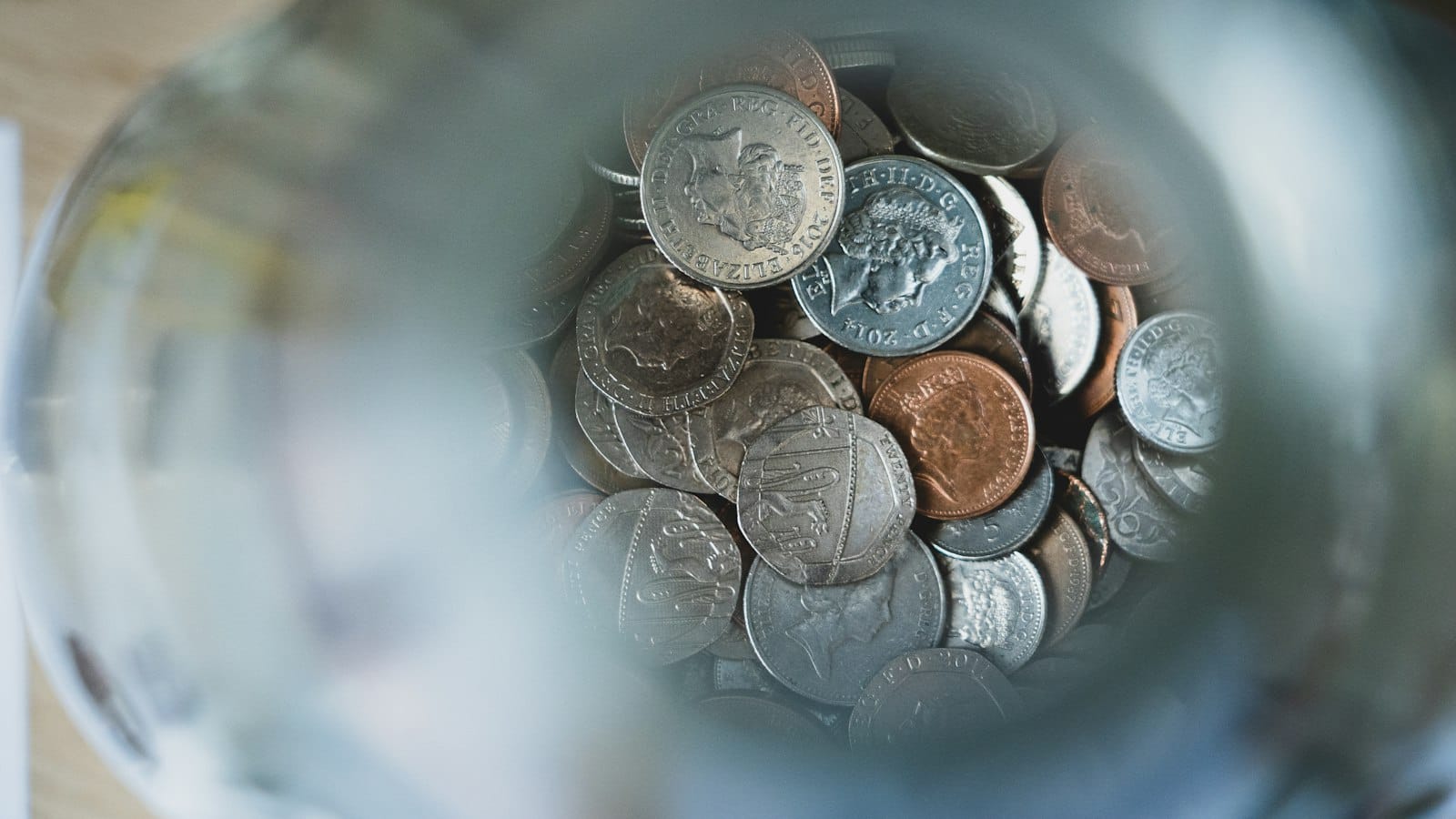
An emergency fund is a personal budget set aside as a financial safety net for future mishaps or unexpected expenses, meant to reduce the risk of becoming dependent on credit, falling into debt, or running out of money. Also called a rainy day fund, contingency fund, or "life happens" fund, it sits apart from your long-term investments and is designed to be accessible within days, not months. For a long-term investor in Europe—whether based in Romania, Germany, or elsewhere—this reserve is the foundation that stops a sudden car repair or job loss from forcing you to sell equities at a loss or pile up high-interest debt.
Most experts suggest keeping three to six months of expenses in an emergency fund, and the fund should be housed in a liquid account that can be accessed without fees or penalties. Yet data shows that only 55 percent of adults had set aside money for three months of expenses in 2024, down from a high of 59 percent in 2021. Meanwhile, 30 percent of adults indicated they could not cover three months of expenses by any means. Building this buffer is not about earning market returns; it is about removing a single, large source of financial risk from your life.
What Is an Emergency Fund?
At its core, an emergency fund is a liquid cash reserve earmarked exclusively for genuine surprises. The word "liquid" means the money can be converted to spending power quickly and without penalty. Typical triggers include job loss, medical emergencies, automobile problems, home appliance repairs and replacements, and unplanned travel expenses.
Think of it as a dedicated buffer between your everyday spending and your investment portfolio. If your boiler breaks in January, you should not have to wait for a stock position to recover or take out a loan. The fund absorbs the shock so your long-term plan stays intact. It is not a sinking fund for planned purchases like a holiday or a new laptop; those belong in separate savings categories.
Why an Emergency Fund Is Essential
Preventing debt and credit dependence
Without an emergency fund, people may have to rely on other savings vehicles such as retirement accounts, or on debt like credit cards and loans, when an emergency arises. In the Federal Reserve's 2024 Survey of Household Economics and Decisionmaking, 63 percent of all adults said they would have covered a hypothetical $400 emergency expense exclusively using cash or its equivalent. However, 13 percent of adults said they would be unable to pay a $400 emergency expense by any means, and 15 percent would have put it on a credit card and paid it off over time. For a long-term investor, carrying a credit balance with a double-digit interest rate can easily erase years of compounded portfolio growth.
Avoiding forced selling during downturns
If an unexpected bill arrives while markets are falling, the temptation to liquidate investments can be strong. Selling equities in a downturn locks in losses and may leave you with fewer shares to benefit from the eventual recovery. A cash reserve lets you wait out the volatility, preserving your asset allocation and your long-term return potential.
Psychological security
Beyond the arithmetic, an emergency fund provides peace of mind. The knowledge that a sudden expense will not derail your financial plan reduces anxiety and helps you stick to a disciplined investment strategy through market swings. It is a form of self-insurance that complements, rather than replaces, your broader financial plan.
How Much to Save
The standard benchmark is three to six months of essential expenses. For households with less stable incomes—such as freelancers, commission-based workers, or those in volatile industries—a larger buffer of six to twelve months is often recommended.
The worked formula
- List your essential monthly expenses: rent or mortgage, utilities, groceries, transport, insurance, minimum debt repayments, and basic communication costs.
- Exclude discretionary spending such as dining out, subscriptions, and non-essential clothing.
- Multiply the total by the number of months you want to cover.
The table below illustrates how the formula scales with different monthly expense levels and coverage periods. All figures are in the same unit (months of expenses) and represent the resulting reserve size.
For a Romanian investor earning a variable income, aiming for the higher end of the range—or even beyond—can provide a meaningful cushion against seasonal fluctuations or delayed payments.
Where to Keep an Emergency Fund
The fund must be liquid, safe, and separate from your investment accounts. Suitable liquid vehicles include high-yield savings accounts and money market accounts; the fund should be replenished whenever it is used. The key criteria are:
- Accessibility: funds should be reachable within two to three days, ideally instantly via card or transfer.
- Safety of capital: the principal should not fluctuate in value.
- No lock-ups or penalties: avoid fixed-term deposits that charge early withdrawal fees, and stay away from illiquid assets such as real estate or long-duration bonds.
Common options include high-yield savings accounts, short-term deposits, government bonds with very short maturities, and short-duration bond ETFs. For European investors, a high-yield savings account denominated in your local currency is often the simplest starting point. Some investors also hold a portion of the fund in a foreign currency as a hedge against local currency depreciation, but this introduces exchange-rate risk and should be weighed carefully.
Currency considerations
Holding part of the fund in a foreign currency—such as euros or US dollars—can protect purchasing power if the local currency depreciates. However, it also means your reserve is exposed to currency fluctuations, and converting back to local currency may incur fees or delays. A practical approach is to keep the majority in a stable, local-currency account and a smaller portion in a foreign-currency account, ensuring you can still meet immediate domestic expenses without conversion friction.
How to Build It Gradually
Start small and automate
Setting aside a small amount—even $25 per paycheck—can help build an emergency fund, and automatic transfers from checking to the emergency fund account make saving easier. Begin with a modest target of $500–$1,000 (or the local-currency equivalent). This initial buffer covers minor surprises and builds the habit of prioritising the reserve.
Scale up over time
Once the starter buffer is in place, increase the automatic monthly transfer as your income grows or expenses stabilise. Direct windfalls—tax refunds, bonuses, or gifts—into the fund until it reaches the target size. The process is gradual, and consistency matters more than speed.
The decision flow
When to Use It—and When Not To
Legitimate uses
The fund should be tapped only for genuine emergencies: job loss, medical bills, urgent home or car repairs, and essential unplanned travel. These are expenses that are both unexpected and necessary, and that cannot be deferred without serious consequences.
Non-essential spending
A new television, a holiday, or a planned upgrade are not emergencies. Using the fund for discretionary purposes defeats its purpose and leaves you exposed when a genuine crisis arrives. If you are tempted to dip into the fund for a non-essential reason, pause and ask whether the expense can wait until you have saved separately for it.
Replenishing after use
Whenever you withdraw from the fund, treat replenishment as a priority. Resume your automated transfers and direct any extra income toward restoring the reserve. The goal is to return to the target level as quickly as possible, so the buffer is in place for the next unexpected event.
Key Takeaways
- An emergency fund is a liquid cash reserve set aside exclusively for unexpected expenses, separate from your investment portfolio.
- Aim for three to six months of essential expenses, adjusting upward if your income is variable or your household has a single earner.
- Keep the fund in safe, accessible vehicles such as high-yield savings accounts or short-term deposits, and avoid lock-ups or illiquid assets.
- Build gradually: start with a small buffer, automate transfers, and direct windfalls into the fund until it reaches target size.
- Use the fund only for genuine emergencies, and replenish it promptly after any withdrawal.
- The psychological benefit of knowing you have a buffer is as valuable as the financial protection it provides.
Educational only — not personalised investment advice.